

Opening event catering services generally require a budget of between TL 150 and TL 600 per person. This price range varies considerably depending on the type of refreshments, the variety of the menu, the number of service staff, and the location of the event. Light cocktail-style refreshments are offered at more affordable prices, while seated dining events significantly increase the budget. In addition, as the number of guests increases, the total cost rises, although the unit price per person generally decreases. Therefore, the scale and expectations of the event must first be clarified before an exact figure can be provided.
Catering companies consider not only the cost of the food but the service package as a whole when setting their prices. Many details directly affect the price, including the experience of the service team, presentation quality, the freshness and brands of the ingredients used, the table arrangement, and the choice of decorative plates. For example, it is not unusual to see a thirty-percent difference between two companies offering the same menu, because one may use industrially produced products while the other works with boutique production. For this reason, paying attention to the package contents rather than only the quoted figure allows you to make a much more reliable comparison.
Ensuring that everything runs flawlessly on the opening day, that guests leave satisfied, and that your brand creates a professional impression depends largely on the quality of the catering service. A poor refreshment experience can overshadow every other successful element of the event. For this reason, rather than treating price as the sole decision-making criterion, the balance between service quality and cost must be established correctly. In the following sections, we will examine in detail how menu options affect prices, the hidden costs involved, and the critical points to consider when planning your budget.
With your event, you are sharing not only flavor but also kindness. Contact us now and let us begin making a difference for you.
Address: 5709/4 St. No:26 Cennetoğlu District, Karabağlar / İZMİR
Phone: +90 232 482 34 62
Email: info@flexcatering.com
The Price Difference Between Cocktail Service and Seated Dining

With cocktail-style refreshments, guests are served while standing, portions are kept smaller, and the service process is much more flexible. This format significantly reduces the cost per person. In general, at cocktail events a budget of between TL 150 and TL 300 per person is usually sufficient, while this amount can easily rise to between TL 400 and TL 600 for a seated dining arrangement. The main reason for the difference is not only the variety of food but also the number of service staff, the setup of the table arrangement, and the cost of the equipment used. Details such as serving each table separately and requiring more plates and cutlery directly affect the total budget.
The cost advantage of the cocktail format is not limited to food. At events with standing service, rental items such as tables, chairs, and linens are either eliminated entirely or kept to a minimum. A seated meal, however, requires an individual seating area for every guest, so the venue layout demands more space and equipment. The number of waiters also increases significantly in a seated format because every table must be monitored regularly, plates must be cleared on time, and hot service must continue without interruption. All these operational requirements appear as additional items on the invoice.
The preferred format depends entirely on the purpose of the event and the guest profile. Cocktail refreshments are sufficient for a short, dynamic, networking-focused opening and allow the budget to be used efficiently. However, a seated meal creates a much stronger impression at a corporate launch or a prestige-focused reception. The important point is not to choose the wrong format merely to keep the budget low. A refreshment choice that does not match guests’ expectations may damage the overall perception of the event at the very point where you believe you are saving money.
Key Factors Affecting Catering Prices
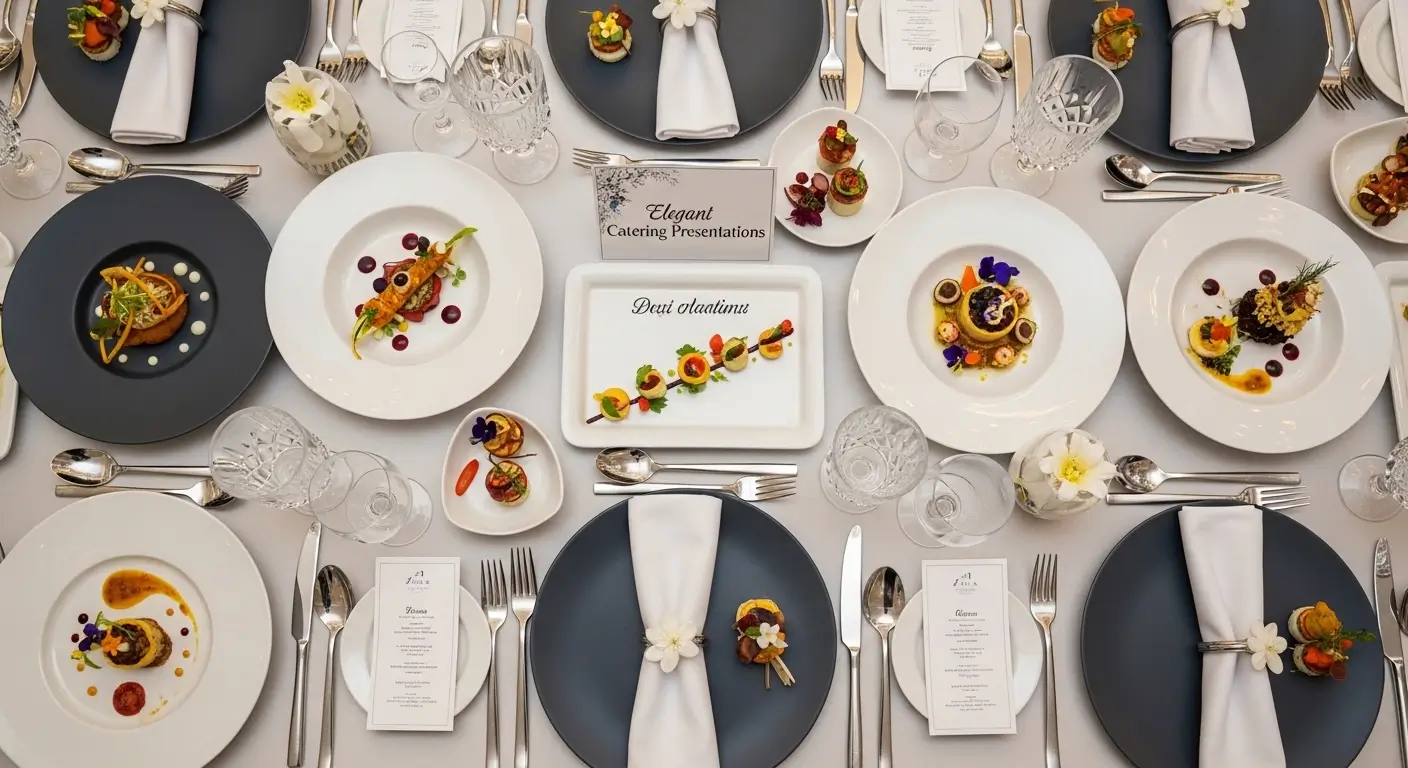
Catering services may come with significantly different quotations. Despite the same number of guests and similar menu content, prices vary from one company to another because they result from the combination of many variables. Comparing quotations without knowing the factors that determine the price can be misleading. The main factors that directly shape catering costs are:
- Menu content and variety: The number and type of dishes to be served and the quality of the ingredients are the most decisive pricing factors. There is a clear cost difference between a meat-focused menu and a vegetarian-focused menu.
- Number of guests: As the number of guests increases, the total cost rises, although the unit price per person generally decreases. The per-person prices for an event with 50 guests and one with 200 guests will not be the same.
- Service format: Different service styles, such as cocktail service, buffet service, or seated dining, directly affect both staffing requirements and equipment costs.
- Number and experience of personnel: The size of the waiting, kitchen, and presentation teams is an important cost item reflected in the price. An experienced and professional team naturally comes at a higher cost.
- Event location: Whether the venue is in or outside the city center and whether it has kitchen infrastructure determine the logistical costs. Setting up a mobile kitchen at venues without kitchen facilities creates an additional expense.
- Presentation and decoration details: Visual elements such as special plate selections, themed presentation arrangements, and table decorations are also among the items that increase the price.
- Service duration: The length of the event directly affects how long the personnel remain on-site and the quantity of refreshments consumed. Extended service hours mean additional fees.
When all these factors are considered, it becomes clear that catering prices do not depend on a single item. The most reliable approach is to clarify the details of your event and then obtain comparative quotations from several companies. When evaluating the quotations, examining the details of every item rather than only the total amount enables you to understand the true cost.
Calculating the Total Cost According to the Number of Guests
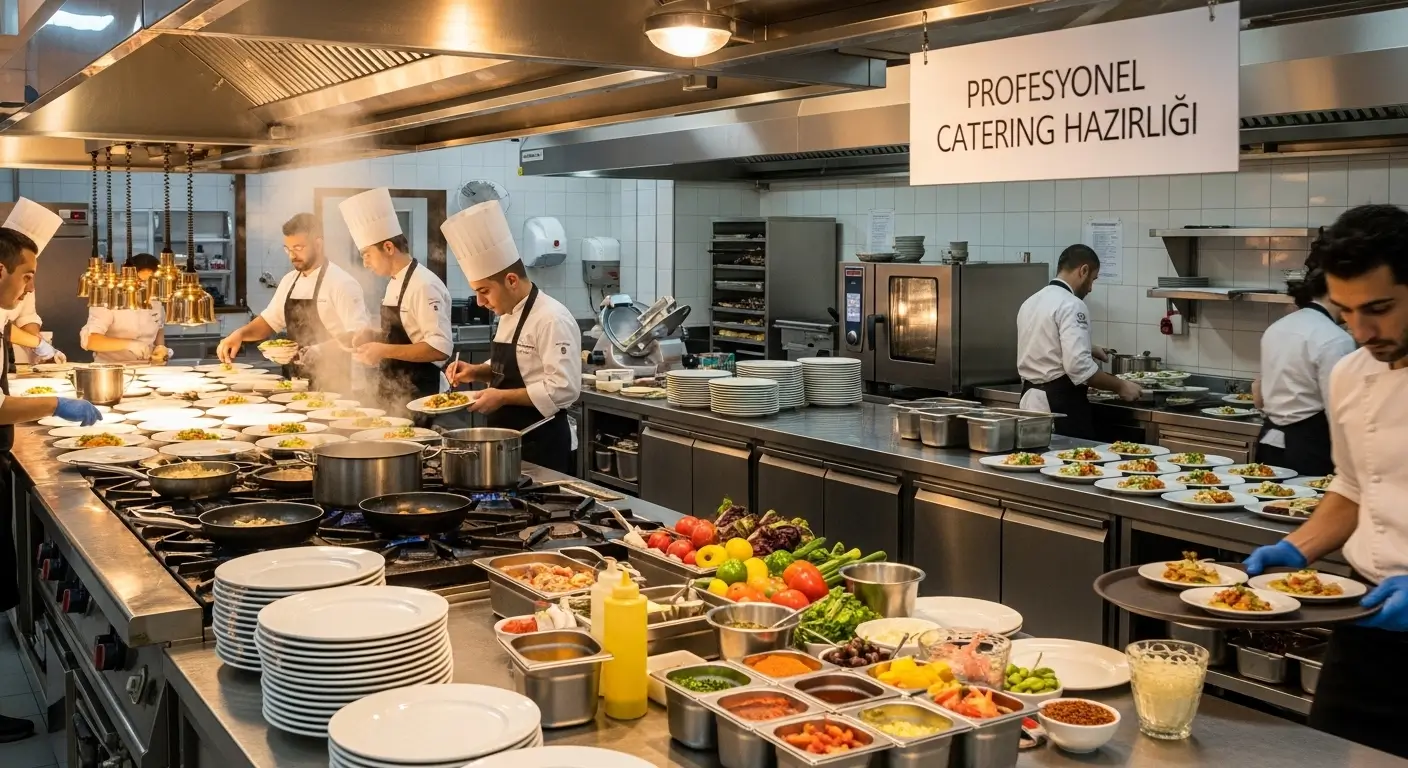
To calculate the catering budget accurately, you must first clarify the confirmed or expected number of guests. In simple terms, multiplying the unit price per person by the total number of guests gives you the base cost. However, fixed expenses such as service, equipment rental, and logistics must also be added to this calculation. For example, for a cocktail-format event with 100 guests at TL 200 per person, the refreshments alone cost TL 20,000. When staff fees, transportation, and presentation equipment are included, the actual figure may rise to between TL 25,000 and TL 30,000.
The effect of the number of guests on the cost is not linear. A menu priced at TL 250 per person for an event with 50 guests may fall to TL 200 per person for a reception with 150 guests. This is because catering companies benefit from bulk purchasing at large events and distribute fixed expenses across more people. In other words, as the number of guests increases, the unit price decreases, although the total expenditure naturally rises. Ignoring this balance and focusing only on the per-person price produces misleading results in budget planning.
The most sensible approach to producing a realistic cost calculation is to prepare the guest list with a tolerance margin of between ten and fifteen percent. Last-minute attendance and cancellations occur at every event, and catering companies include this uncertainty in their pricing. Providing the final number as early as possible prevents unnecessary overproduction and helps you avoid last-minute amendment fees. The most effective way to keep the budget under control is to determine the number of guests realistically and proceed with a detailed quotation that includes every item individually.
The Risks of Choosing Cheap Catering Services
Choosing the catering company with the lowest quotation in an attempt to protect the budget may initially appear sensible. However, at an event such as an opening, which directly affects the brand image, the cost of a low price is often far greater than the amount saved. Companies that keep their prices noticeably low are usually cutting costs somewhere, and these compromises become clearly visible on the day of the event. The main problems you may encounter when choosing low-budget catering include:
Low ingredient quality: Affordable companies generally use cheaper, lower-quality food products to reduce costs. This directly affects the flavor and presentation of the food and leaves a negative impression on guests.
- Insufficient and inexperienced personnel: The service team is one of the most common areas in which costs are reduced. Service provided by too few or inexperienced waiters causes longer waiting times at tables and disrupts the overall flow.
- Hygiene and food-safety deficiencies: Companies without professional infrastructure may have serious shortcomings in cold-chain management, storage conditions, and kitchen hygiene. This creates a risk that endangers guests’ health.
- Inadequate presentation and visual quality: At opening events, the appearance of the refreshments is as important as their taste. Plate arrangement, the use of garnishes, and table presentation are often overlooked in low-budget services.
- Timing and logistical disruptions: Companies with limited experience may also be weak in planning. Late delivery, missing materials, or failure to begin service on time negatively affects the entire flow of the event.
- Last-minute surprises: After submitting a low quotation, some companies introduce additional items as the event approaches. Costs such as transportation, equipment, or overtime that were not mentioned initially are added to the invoice at the last minute.
Price is naturally an important criterion in catering services, but it should not be the sole deciding factor. A problem on the opening day leaves a lasting impression on everyone attending the event and damages the professional perception of your brand. Therefore, choosing the company that provides the best service for the amount you pay, rather than the one offering the lowest price, is always the better strategy.
Common Mistakes When Hiring Catering Services
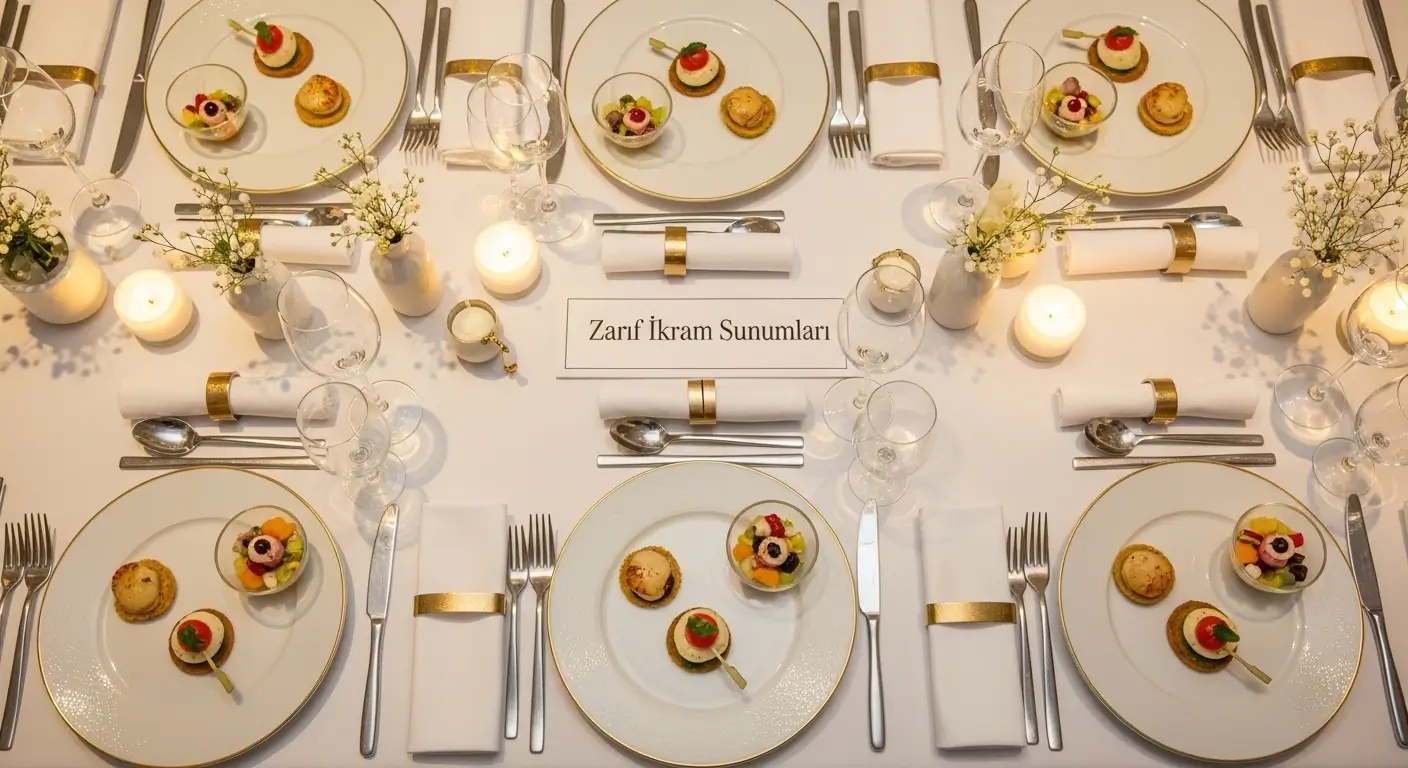
During the event-planning process, small mistakes made while working with a catering company can turn into major problems on the day of the event. Since many people are using such a service for the first time, they may not know exactly what to consider and may overlook critical details. The resulting disruptions often create situations that are difficult to remedy. Below are the mistakes organizers make most frequently:
- Deciding after obtaining a quotation from only one company: The pricing approaches and service scopes of catering companies differ considerably. Making a choice without obtaining comparative quotations from at least three companies can lead to surprises in terms of both budget and quality.
- Approving the menu without a tasting: A menu that looks excellent on paper may fail to meet expectations in practice. Finalizing the menu without attending a tasting session increases the likelihood of disappointment with the food on the day of the event.
- Overlooking contract details: Matters such as cancellation conditions, additional fee items, service duration, and possible amendment rights must be clearly stated in the contract. Signing without reading these details creates grounds for disputes later.
- Failing to estimate the guest count realistically: Proceeding with rough figures causes either overproduction or insufficient refreshments. Even if the number is not final, determining a realistic range and informing the company on time minimizes this risk.
- Ignoring the guest profile: There is always a possibility that some guests are vegetarian, vegan, or have allergies. If alternative menu options are not planned, these guests may encounter problems finding suitable refreshments.
- Choosing a service format unsuitable for the venue: Not every venue is suitable for every type of service. Planning seated dining in a narrow area or creating too few cocktail stations in a large space seriously disrupts the flow.
- Leaving the timing plan entirely to the company: Details such as when service will begin and end and when hot dishes will be served are decisions in which the organizer should also be involved. Leaving this planning entirely to the company may result in a service flow that is incompatible with the event schedule.
The common point among these mistakes is that they can all be identified and easily prevented in advance. Hiring catering services involves more than simply choosing a company and selecting a menu. Taking an active role at every stage of the process, asking the right questions, and putting every detail in writing provide the strongest guarantee that your event will proceed smoothly.