

A destination wedding is a wedding ceremony that couples hold in a different location, usually a tourist destination within their own country or abroad, away from the city where they permanently reside. This concept aims to transform the wedding ceremony from a standard venue event into an enjoyable holiday for both the couple and their guests. Unlike traditional weddings, the legal ceremony, celebration, and honeymoon are intertwined, offering participants a complete experience.
This type of event is generally held in a more boutique and intimate atmosphere, attended only by the closest family members and friends. Large guest lists and exhausting formalities are replaced by special moments enhanced by the natural beauty or historical character of the selected venue. Guests spend time together not only on the wedding night but also during the days before and after it, turning this special occasion into a travel adventure.
The greatest motivation behind this choice is the opportunity to move away from conventional wedding routines and create a free celebration that fully reflects the couple’s personality. The venue may range from a coastal town to a mountain lodge, while the scenery provided by nature takes priority over elaborate decoration. As a result, the process evolves from an obligation filled with tedious receiving lines into a mini festival where everyone has fun, takes countless photographs, and creates memories that will be discussed for years.
Advantages and Disadvantages of Having a Destination Wedding
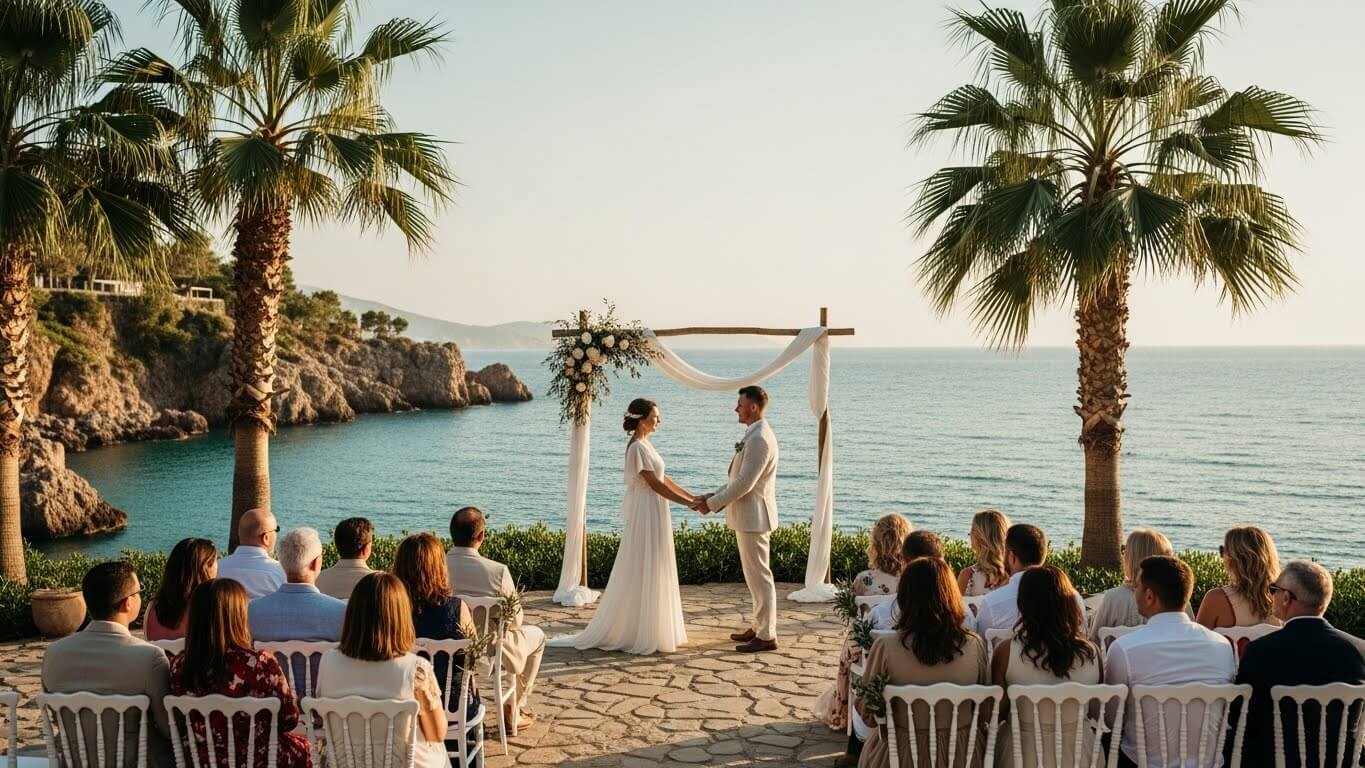
Getting married in a different city or country offers an exciting adventure that breaks away from standard wedding conventions, but the process may not suit every couple’s expectations or lifestyle. Carefully weighing both sides before making a decision is critically important to avoid disappointment. Although the unique atmosphere and holiday experience offered by the event are appealing, logistical challenges and variables in budget planning can make the process complicated.
Advantages:
- An Intimate and Exclusive Atmosphere: Instead of being surrounded by hundreds of people, half of whom you may not know, you share a highly emotional setting only with the people you love most.
- Ease of Natural Decoration: The scenery, historical character, or natural beauty of the selected venue creates a captivating visual setting without requiring additional decoration expenses.
- Planning Combined with the Honeymoon: The honeymoon begins as soon as the wedding ends, saving on additional flight expenses and eliminating post-wedding exhaustion.
- Quality Time Together: While brides and grooms at standard weddings may spend only a few minutes with each guest, this concept allows enjoyable activities with guests over several days.
Disadvantages:
- Difficulty Attending: Some guests may be unable to make the trip because of work commitments, health issues, or financial reasons, which may significantly reduce attendance.
- Stress of Remote Planning: Being unable to visit the venue frequently, meet suppliers face to face, or maintain full control may create additional anxiety for couples.
- Legal Procedures: Particularly for international destinations, official marriage procedures, consular correspondence, and document tracking may take longer and be more exhausting than expected.
- Weather Risk: When the climate conditions of the selected region are not fully understood, sudden weather changes may put outdoor plans at risk.
In summary, this preference should be shaped entirely by the couple’s priorities and their vision of the perfect wedding. If you prefer to maintain full control and want everyone to be present, a traditional wedding is the safer option. However, for those who enjoy taking risks, focus on collecting memories, and wish to share the journey with a small but meaningful group, destination weddings are the beginning of an unforgettable lifelong story.
Who Pays the Guests’ Expenses at a Destination Wedding?
The generally accepted international etiquette for cost-sharing at destination weddings is that guests cover their own transportation and accommodation expenses. While the couple pays for the wedding ceremony, reception meal, beverages, and all organizational costs during the event, guests are responsible for their flight tickets and hotel fees. Since this concept offers invitees not only the opportunity to witness the marriage but also a personal holiday, the decision to attend is left entirely to each person’s budget and availability.
Hosts may negotiate group discounts with hotels or finance logistical details such as airport transfers to reduce the burden on attendees. As a matter of courtesy, additional events such as a welcome dinner or post-wedding brunch are also generally paid for by the couple. The healthiest method of communication is to state politely and clearly who is responsible for which expenses when invitations are sent or on the wedding website. This enables guests to organize their finances in advance and participate in the experience without encountering unexpected costs.
Traditional Wedding or Destination Wedding? Cost Comparison
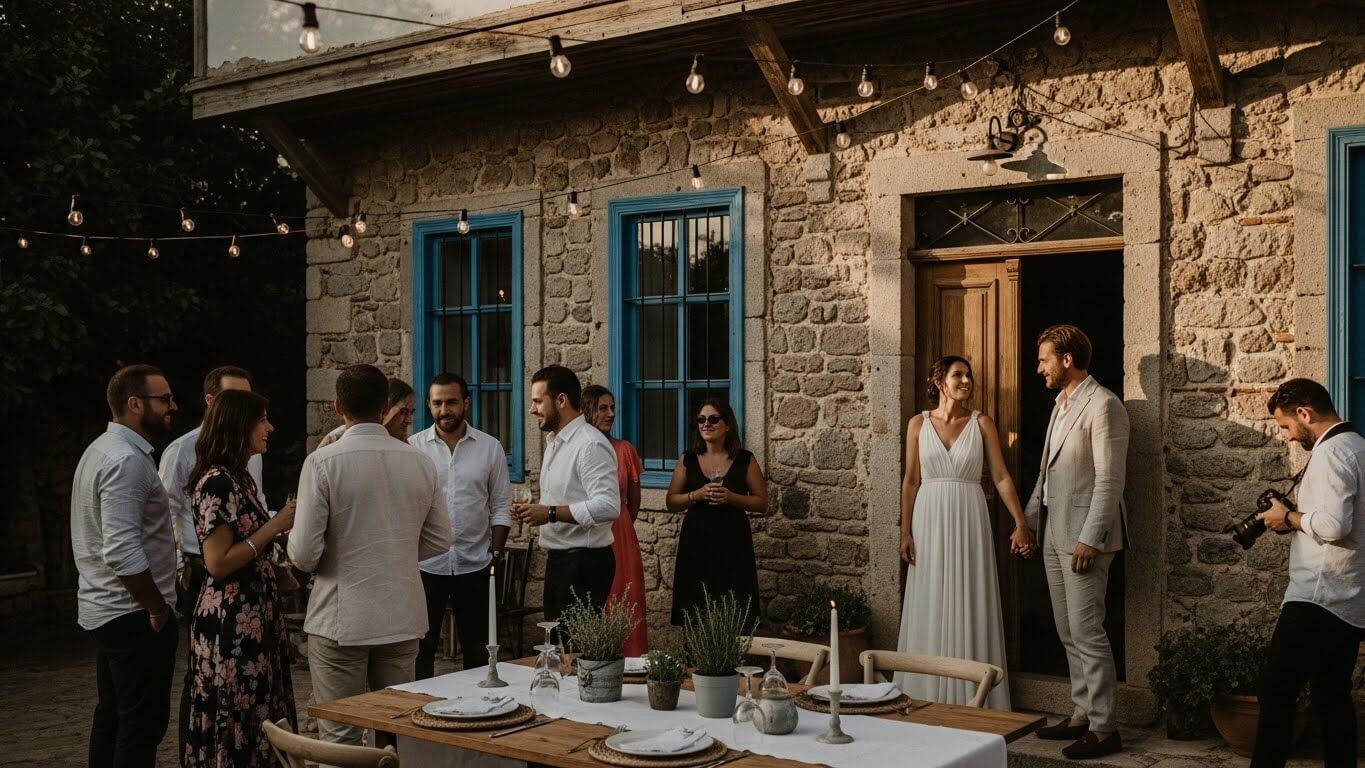
In traditional wedding events, the largest portion of the budget is generally determined by the high number of guests and the resulting increase in catering expenses. When meal service for hundreds of people, rental of a large venue, and standard decoration costs are combined, the total quickly rises. By contrast, the guest list is radically reduced for events held outside the city or abroad. These boutique celebrations with fewer attendees may remain more economical than a dining bill for hundreds of people, even after adding travel or accommodation expenses for the couple and their close circle. In this case, spending shifts from quantity toward quality and experience.
Decoration and honeymoon costs also play a decisive role in the comparison. While a significant flower and lighting budget is required to visually enrich a standard indoor venue, the natural scenery, sea view, or historical character of a destination wedding eliminates the need for these additional expenses. In addition, traditional processes require a completely separate honeymoon budget on top of wedding expenses. For events in distant destinations, the wedding and honeymoon are combined, allowing transportation and accommodation costs to overlap. Therefore, when the overall picture is considered, destination options can offer much more efficient budget management than commonly assumed when planned correctly.
The Most Popular Destination Wedding Locations in Türkiye and Around the World
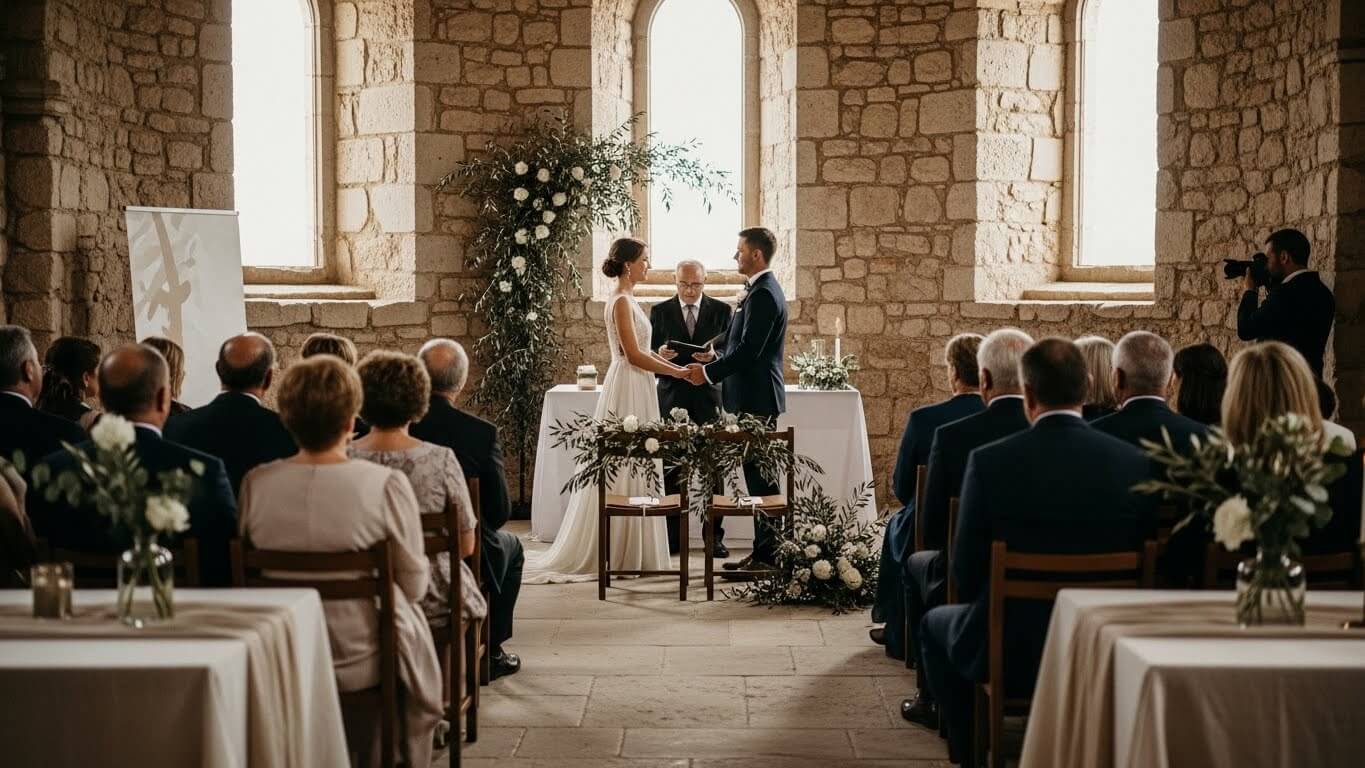
Venue selection is the most fundamental factor that transforms the imagined wedding concept into reality and determines the entire spirit of the event. Couples generally prefer regions that offer a romantic atmosphere, are easy for guests to reach, and provide a wide range of accommodation options. Thanks to its natural beauty and climatic diversity, Türkiye offers world-class destinations, while international routes provide attractive alternatives for couples who wish to experience different cultures and combine the event with an exotic honeymoon.
Popular Destinations in Türkiye:
- Izmir (Çeşme, Alaçatı, Urla): Izmir, the pearl of the Aegean, ranks first for couples seeking a bohemian, elegant, and intimate atmosphere, particularly in areas featuring stone houses, lavender gardens, and vineyards.
- Cappadocia: The mystical appearance of the fairy chimneys and hot-air balloons rising at sunrise create a fairytale backdrop unlike anywhere else in the world.
- Bodrum: With its turquoise bays, luxury hotels, and vibrant nightlife, it is a center for both glamorous and entertainment-focused celebrations.
Leading Destinations Around the World:
- Italy (Tuscany and Amalfi): Historic villas, art-filled streets, and exceptional cuisine make these locations permanent favorites among couples devoted to classic romance.
- Greek Islands (Santorini): Whitewashed houses and endless blue scenery create a simple yet captivating visual setting that immortalizes every photograph.
- Bali: Its tropical nature, exotic rituals, and ocean views make it a spiritual escape for adventurous couples.
Analyzing seasonal conditions and the guest profile in detail when selecting a destination is essential for a flawless experience. While Izmir’s refreshing Aegean breeze or the Greek Islands offer ideal weather during the summer months, regions such as Italy or Bali provide a more pleasant and comfortable environment in spring. Regardless of your choice, confirming the venue’s logistical infrastructure and accommodation capacity in advance prevents potential problems during the event and ensures that everyone leaves satisfied.
How Should a Guest List Be Prepared for a Destination Wedding?
Since events held in distant destinations naturally have a more boutique structure, priorities must be clearly defined when preparing the list. Creating a core group consisting only of immediate family members and friends whose presence is essential in your life simplifies the process. Recognizing that this special event is an intimate shared experience rather than a crowded display and keeping the number of guests limited makes both budget management and accommodation logistics far more efficient.
The financial situations, health conditions, and annual leave schedules of potential attendees are decisive factors in their ability to make the journey. Considering the travel expenses and the time commitment required, being realistic when adding people who are unlikely to attend or have travel restrictions prevents disappointment. Since an invitation to a distant location represents a serious commitment for guests, focusing only on those you believe can make this sacrifice is the healthiest approach.
Sending invitations or preliminary information much earlier than for standard ceremonies is vital so that guests can arrange their budgets and flight tickets. Providing notice at least six months or one year in advance directly improves the attendance rate. This extended period also gives you operational flexibility to invite names from a reserve list when guests confirm that they cannot attend.
The guilt or social pressure that may arise when reducing the list should not overshadow the sense of freedom offered by this concept. Accepting maturely that not everyone can join the adventure and planning a small celebration dinner after returning to your city for those unable to attend offers an elegant solution. It should be remembered that what matters is not the number of people but the quality of the experience shared with those who are beside you in that moment.
With your event, you share not only flavor but also kindness. Contact us now and let us start making a difference for you.
Address: 5709/4 St. No:26 Cennetoğlu Neighborhood, Karabağlar / IZMIR
Phone: +90 232 482 34 62
Email: info@flexcatering.com